This Church is an Inclusive Church
We believe in inclusive Church—church which does not discriminate, on any level, on grounds of economic power, gender, mental health, physical ability, race or sexuality.
We believe in Church which welcomes and serves all people in the name of Jesus Christ; which is scripturally faithful; which seeks to proclaim the Gospel afresh for each generation; and which, in the power of the Holy Spirit, allows all people to grasp how wide and long and high and deep is the love of Jesus Christ.
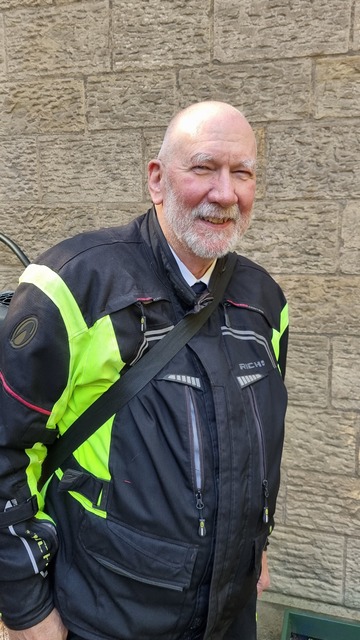
Michael O'Connell
Warm Welcome & Inclusivity Champion
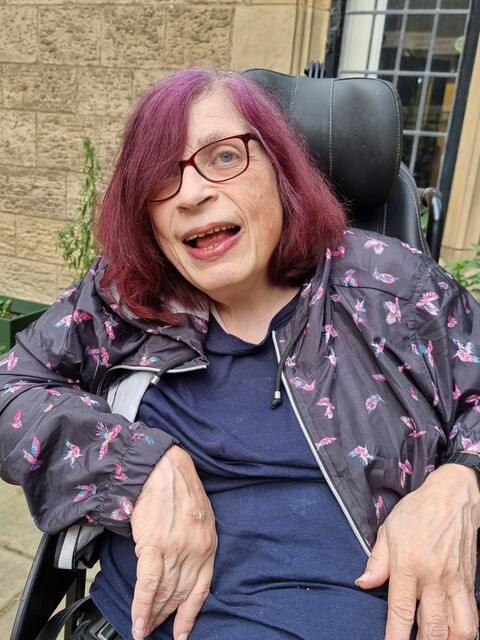
Carol Johnstone
Warm Welcome & Inclusivity Champion
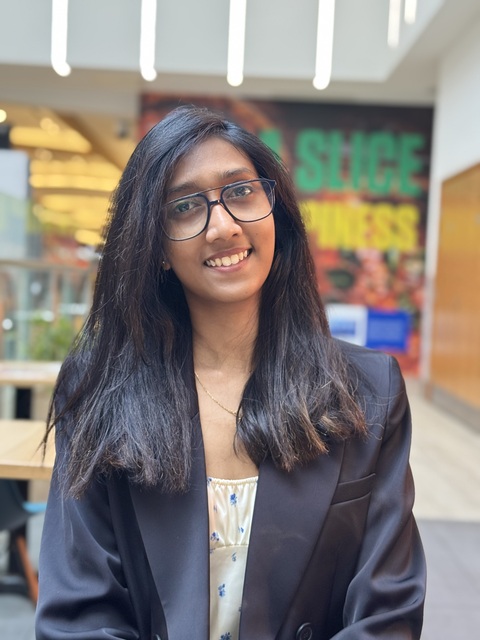
Mereena Jose
Warm Welcome and Inclusivity Champion
Would you like to join the team?
A ‘Warm Welcome Inclusivity Champion’ is essentially a parish-level inclusion lead: someone who helps ensure that every person who comes through the door — newcomer, regular, volunteer, or visitor — experiences the church as a place of genuine hospitality, dignity, and belonging.
There’s no single national definition, but based on established Inclusivity Champion roles in organisational and community settings, the responsibilities fall into clear, recognisable categories.
Below is a structured set of responsibilities, grounded in the wider evidence about inclusivity-champion roles.
Core Purpose
To model and promote a culture of welcome, attentiveness, and inclusion, ensuring that the hospitality at St. Andrews truly reflects the breadth of God’s love and the commitments of Inclusive Church.
Key Responsibilities
1. Be a visible, approachable point of contact for inclusion
- Act as a recognisable champion of inclusive practice within the congregation.
- Make yourself available to newcomers, visitors, and those who may feel on the margins.
- Respond to queries about inclusion and escalate concerns appropriately.
2. Model inclusive behaviour and warm hospitality
- Demonstrate attentive listening, sensitivity, and objectivity in interactions.
- Act as a role model for fairness, dignity, and welcome.
Help ensure that no one experiences prejudice, exclusion, or discomfort in church spaces.
3. Promote awareness of inclusivity across the church
- Raise inclusion considerations with PCC, ministry team, and volunteer discussions.
- Encourage celebration of key inclusion-related days or themes (e.g., Disability Awareness Sunday, Mental Health Sunday).
- Share updates, guidance, and best practice from Inclusive Church and other relevant bodies.
4. Support volunteers and teams in offering a warm welcome
- Work with churchwardens, welcomers, and service leaders to ensure consistent, thoughtful hospitality.
- Help the church community understand how different needs may require different approaches (e.g., sensory sensitivities, mobility issues, social anxiety).
- Encourage practices that create psychological safety and belonging.
5. Listen well and create space for people’s experiences
- Invite feedback from newcomers and long-standing members about their experience of welcome.
- Create opportunities for people to express what helps them feel included and valued.
- Bring insights to PCC or clergy to inform improvements.
6. Identify barriers and advocate for improvement
- Notice where physical, cultural, or procedural barriers may hinder welcome.
- Raise concerns about exclusionary behaviour or practices through appropriate channels.
- Encourage the church to embed inclusion in decision-making, communication, and planning.
7. Stay informed and connected
- Keep up to date with safeguarding, equality, and accessibility guidance.
- Maintain contact with clergy, churchwardens and PCC to ensure inclusion remains a shared responsibility.
Optional/desirable (fuller role description)
- Contribute to newcomer follow-up processes (e.g., welcome cards, pastoral contact).
- Support inclusive language and imagery in communications.
- Help review signage, website welcome pages, and accessibility information.
- Assist in developing inclusive liturgical or community practices (e.g., quiet, reflective services, sensory-friendly spaces).
- Attend relevant training or Inclusive Church webinars.
Fr. Mike. July 2026.